
From hydration breaks and 48 teams to timewasting rules - assessing every new idea at the World Cup

What should stay in 2030? We run the rule over every new idea in use at the 2026 World Cup
The 2026 World Cup has been a strange and in many ways remarkable tournament – not just the biggest (and most expensive) edition yet, but one at which FIFA seems to have thrown every single fresh idea that has passed through its collective head.
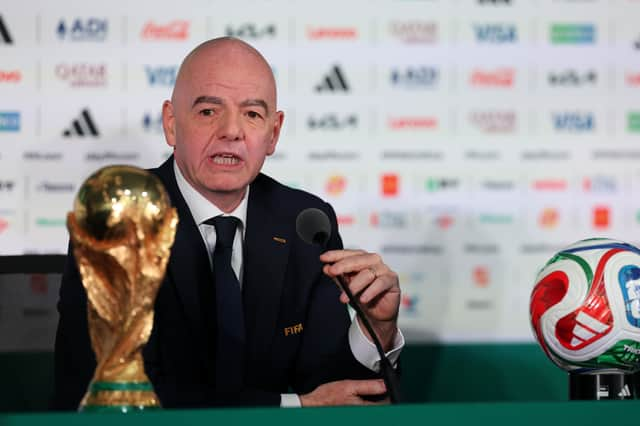

They’ve messed about with just about everything, from the tournament format to where teams stand for the national anthems. It all looks and feels just a little bit different this time. But which of FIFA’s bright new ideas, from hydration breaks to new timewasting rules, have worked? We’ve run the rule over every new rule, and given our verdict on what should stay – and what needs to be sent directly into the bin for 2030.
Hydration breaks
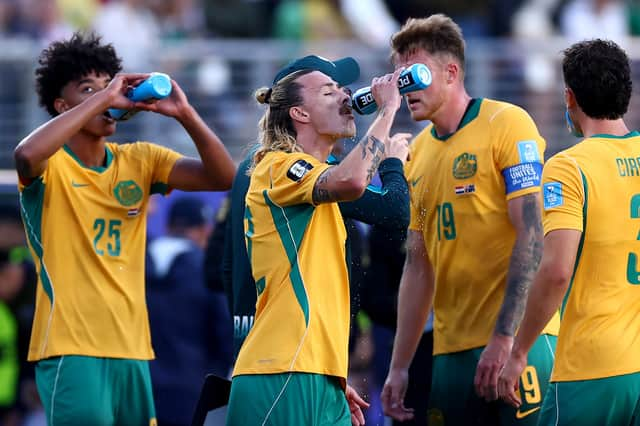
Hydration breaks are nothing new, of course, but FIFA’s decision to make them compulsory regardless of temperature or humidity has proven to be probably the single most unpopular change that we’ve seen – and Gianni Infantino has already insisted that they could become a permanent feature of World Cups despite the fact that just about everybody seems to hate them.
The fans boo them, Thomas Tuchel loathes them, and the players seem agnostic at best. Had FIFA genuinely been putting player welfare or ‘fairness’ first by enforcing the breaks, then they would listen to the widespread criticism. The fact that they aren’t, and are instead being bullish about them, is in itself clear evidence that are about money, pure and simple, another three-minute advertising break in the middle of the game regardless of its impact on the flow of the match.
Infantino has insisted that FIFA won’t make a penny from hydration breaks and he’s technically right, because the broadcast deals had already been struck by the time that they came up with the idea - but if he can crowbar them into the next World Cup as well, then he’ll be able to make even more cash when the deals are all renegotiated.
Hydration breaks are the most cynical and grubby change made for this World Cup. This is a trial run for football moving towards quarters instead of halves dressed up as reasonable concern for health and safety, and one we’re probably stuck with given how happy Infantino seems to be with the success of his little experiment. Grim.
New rules to tackle timewasting
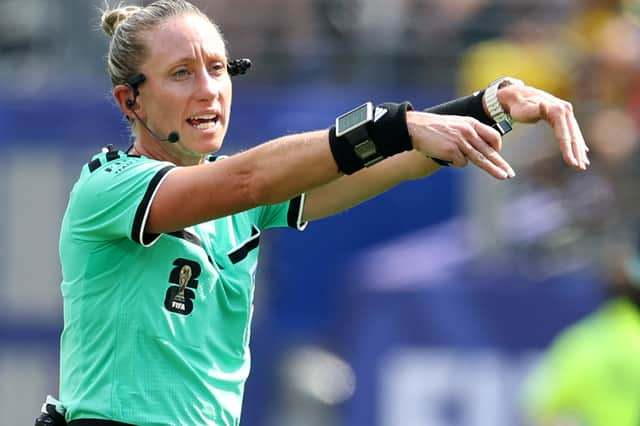
Not everything FIFA changed for 2026 has been so terrible, however. A rash of new rules designed to reduce timewasting have succeeded admirably, and in particular have served to kerb the number (or at least the alleged intensity) of the fake injuries that have become such an eye-rolling part of the sport.
Countdowns for throw-ins and goal kicks haven’t made a massive difference, but the rule which states that any player who receives treatment from a physio has to leave the pitch for at least one minute has had a huge impact. Sure, players still act as though they’ve been shot whenever an opponent comes within a metre of them, but it’s amazing how much more swiftly they get up when they know that any attempt to stop the game will leave their side down to 10 men.
Recovery times from facial injuries, nudged backs and the astonishing range of ailments which can cause players to roll in agony along the floor have been cut by an amazing amount. Whoever came up with that rule not only deserves a round of applause, but probably the Nobel Prize for Medicine too.
New VAR interventions
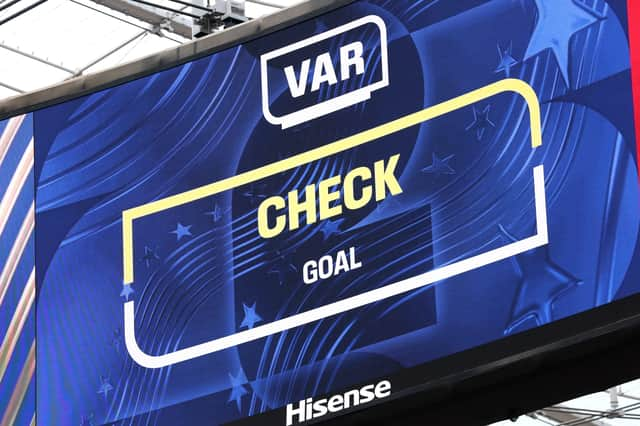
VAR has been a pretty mixed bag so far. At times, the video teams seem to be almost wilfully interventionist – at others, they decline to get involved in what look like clear-cut decisions. England can be grateful that they were on the receiving end of at least one of the latter against Ghana.
But the new VAR rules which allow corners to be turned into goal-kicks have worked pretty well. The delays haven’t been too painful and a few correct decisions have already been made. The only real mystery is why they only work one way and won’t turn goal kicks into corners. It’s hard to see why the latter would be too much if the former isn’t.
VAR can also now rule on second yellow cards, although at the time of writing that process hadn’t yet been tested. We’d say the corner rules have been a small win, but would still cheerfully burn the whole thing down to the ground if we could.
Red cards for players covering their mouths
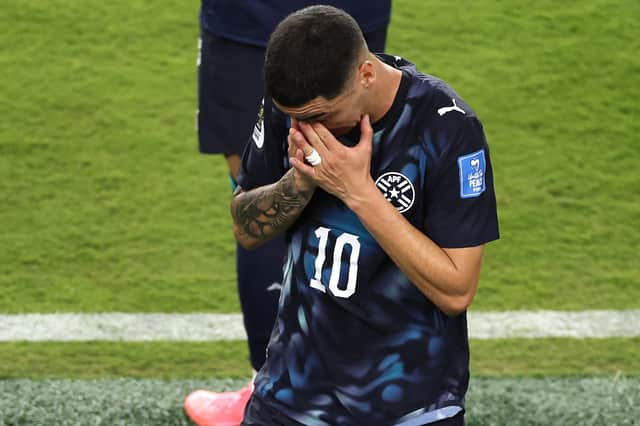
Did Miguel Almirón actually say anything he wouldn’t want us to know about against Turkey? Or was he merely sent off because he, like so many other players, have long since fallen into the habit of disguising even their most innocuous conversations?
This is a rule which exists because of one very unpleasant man, Benfica’s Gianluca Prestianni. When he covered his mouth while abusing Real Madrid’s Vinícius Junior a few months ago – Vinícius alleged he made racist remarks, Prestianni’s rather revealing defence was that he ‘only’ used homophobic insults – he created a situation which IFAB felt had to be addressed.
Whether the ruling is right or wrong, one has to wonder why FIFA insist on introducing these new ideas for World Cups. Players instinctively cover their mouths an awful lot of the time, and it feels wrong that they’re not given any time to adjust before what will often be the biggest tournament of their lives. There’s also the worry about players pretending that they’re being abused in order to get a player sent off for nothing. We appreciate that principles behind this new rule, but surely it should have been tested out in advance.
The 48-team format
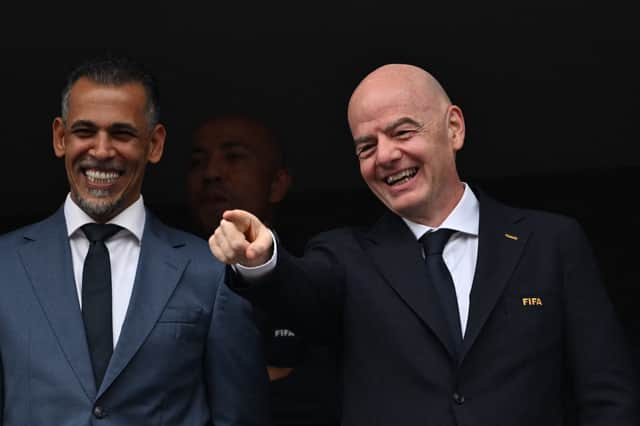
The big one. This was then first time that the tournament had been expanded since 1998 and added a raft of extra matches and – arguably – less potent teams to play them. Was the joy of the newly-qualified minnows worth it, or would the product end up feeling diluted?
The answer, in the way of these things, is both. For the first two rounds of group stage games, the ‘minnows’ did themselves proud. Curaçao and Cape Verde picked up famous results. There were surprises and close shaves, and none of the World Cup’s supposedly lesser nations did themselves a disservice.
But the format has definitely found itself up against the rocks as the group phase draws to a close. There have been far too few matches with any real jeopardy in them, and far too many teams whose fate was already sealed – with the latter issue exacerbated by FIFA’s decision to make head-to-head record the first tiebreaker for teams on the same points total, a choice which removed excitement while adding no meaningful amount of fairness.
The problem hasn’t so much been the addition of smaller countries as the awkward number of teams involved. 32 of 48 teams progressing just sucks so much of the drama out of proceedings. The best way forward is probably either to expand to 64 teams, which would weaken qualifying but keep an even number for the group stages, or to stick to 32, which is much worse for those less wealthy and storied nations but better for the host nations. FIFA needs to pick a lane, so we never have to sit through Australia 0-0 Paraguay ever again.