
Thomas Tuchel is the reason that England lost - but does that mean he should be sacked?

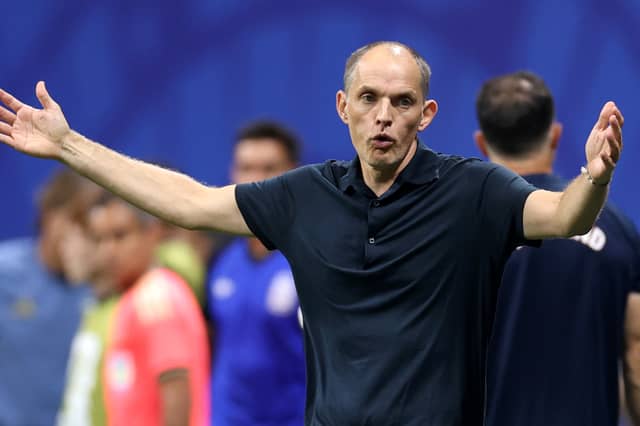

England are out of the World Cup and the manager is to blame - can he really turn it around ahead of Euro 2028, or should he be sacked?
The life of an England supporter follows a simple rhythm: Every two years, a forceful reminder that life is indeed pain and that anyone telling you different is selling something. The means by which the message is delivered may change, but the ending is always the same. Time to stick another couple of years on the hurtometer.
And every two years, the failure must be explained away by either a fall guy or a villain. It might be David Beckham’s petulance in 1998 or Diego Maradona’s Hand of God in 1986. It’s very often the players who missed a penalty. In 2026, we were offered a straightforward choice – either England were defeated by the magic of Lionel Messi, or due to the tactical failings of Thomas Tuchel. It’s a decision which has already been made.
Thomas Tuchel’s disastrous tactics were to blame for England’s defeat
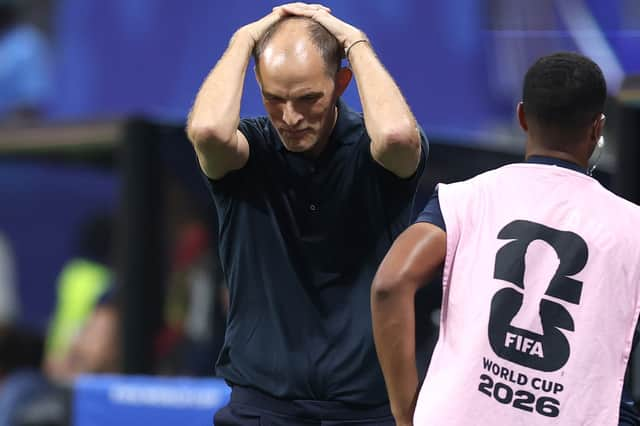
Even the players seemed uncertain about Tuchel’s decision to switch to a back three after a fateful second-half hydration break, a disastrous response to the way that Argentina had energised themselves after Anthony Gordon’s opening goal.
Marc Guéhi complained that the team should have “continued to push.” Harry Kane noted that England “just seemed to try to hold on which, at this level, is not enough.” They knew something that Tuchel seemingly didn’t – that conceding control of possession and territory to an Argentina side blessed with an immense technical quality invited disaster.
For an hour or so, England kept their defensive line high, pressured Messi and the midfielders around him, and were the better team. Argentina lack the kind of pace and directness to exploit high lines, and struggle when the field is condensed and time on the ball is scarce. Tuchel played it perfectly, right up until he didn’t.
The switch to a 3-5-2 allowed Argentina an easy two-on-one overload on either flank for the rest of the game, giving them endless opportunities to get the ball wide and sling crosses into the penalty area. The decision to drop deeper into a low block offered them control of the entire field in front of England’s box, giving them the time and space their best players thrive on.
Suddenly, Messi had space to dribble at defenders, Enzo Fernández had room to pick passes, and the final result became inevitable. Tuchel discarded a functional gameplan in favour of a strategy which played right into Argentina’s hands.
The thought process, presumably, was that England could pull off another heroic rearguard action similar to the one which earned them victory against Mexico at the Estadio Azteca. The difference is that Mexico didn’t have a player who could cross the ball with the uncanny precision of Messi. Packing the box doesn’t work against a player who can thread his deliveries into the very narrowest of windows.
Tuchel’s post-game justification for the tactical switch was that he felt a move to a back three would narrow the gaps in the defence which were appearing as Argentina stepped their game up a gear – but there was no rationale offered for the mess that unfolded after Dan Burn and Nico O’Reilly were thrown on, at which point the concept of the formation appeared to be abandoned altogether.
The result was that England went from control to chaos, from calm to panic, from a World Cup final to a flight home with their tail tucked between their legs – and unusually, the blame really does fall solely at the feet of the manager. The players gave it everything and even those who struggled for their best form worked immensely hard. It’s difficult to recall another game which ended so disastrously purely as the result of a tactical decision. Tuchel is the fall guy and the villain all at once, and his mistakes will haunt his reputation. It will also call his position as England head coach into question.
Should Thomas Tuchel be sacked as England manager?
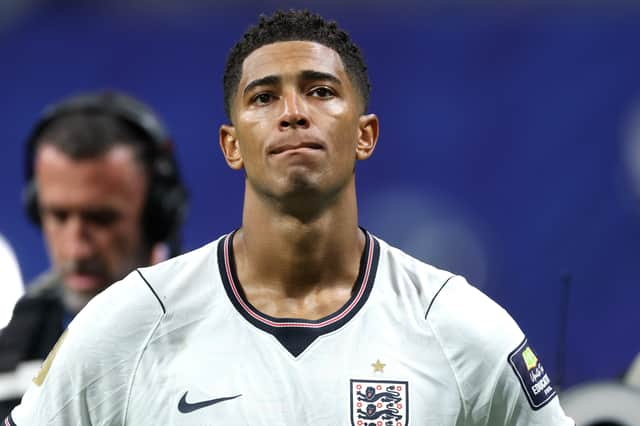
Tuchel’s initial response to the defeat won’t have placated many England supporters. Although he admitted that “the responsibility is on the coach,” he didn’t sound especially contrite, insisting that he had “no regrets” and even appearing to place the blame on the players, saying that they were “not active enough” in defence.
Perhaps because English is his second language, Tuchel doesn’t always measure his media comments as well as he might – he certainly regretted telling the world that his mother found Jude Bellingham’s attitude “repulsive” last year – but this certainly wasn’t the way to mollify fans whose instinctive reaction has been to cast doubt on whether Tuchel should lead England into Euro 2028.
He almost certainly will, however. BBC Sport reported that Tuchel retains the backing of The FA, and the manager himself stated that he will “keep on going” as head coach having already signed a pre-tournament contract extension which will see him stay on as head coach for another two years.
Under normal circumstances, Tuchel staying on for another campaign would be utterly uncontroversial. A semi-final exit might be heartbreaking, but it’s hardly a poor performance in the grand scheme of things. It’s the specifics of the circumstances which change the tenor of the conversation.
Plenty of England managers have been criticised for their tactical ideology or style of play – not least Gareth Southgate – but all were ultimately judged on results rather than their philosophy or any specific strategic decisions. Then again, none of them made a decision which so explicitly undermined their own team and tournament as Tuchel did in Atlanta.
His error will stalk him for the next two years, will make the fans – and perhaps even the players – doubt his decisions when he makes adjustments and substitutions. Will the squad still trust him and follow his instructions to the letter in crunch moments, or will they second guess him and themselves?
Tuchel may now face a battle to retain the faith of his players. Admitting his own culpability in slightly clearer terms might help – at least, were he to acknowledge liability, it would imply that willingness to learn from his mistake.
It must be remembered that before the final ‘quarter’ against Argentina, Tuchel got more or less everything right. His tactical theories worked, his squad selection was largely vindicated, and whenever anything wasn’t going according to plan on the pitch, he made the necessary corrections. He only made one big mistake. It just happened to be one of the biggest and most costly any England coach has ever made.
It’s a mistake that will follow him, a permanent stain in his record that can only be expunged by one thing – winning Euro 2028. It’s time for the cycle of pain to start all over again.