
Is this the end for FIFA president Gianni Infantino? Don’t bet on it

Gianni Infantino’s plans to sell a stake in the World Cup was met with uproar - but can he cling on to power despite the growing opposition?
It’s been a week since FIFA president Gianni Infantino abandoned his immensely controversial plans to sell a stake in the men’s and women’s World Cups to private investors, a week in which his previously impregnable position as the head of football’s global governing body has looked increasingly untenable. Only a fool would bet on his demise, however.
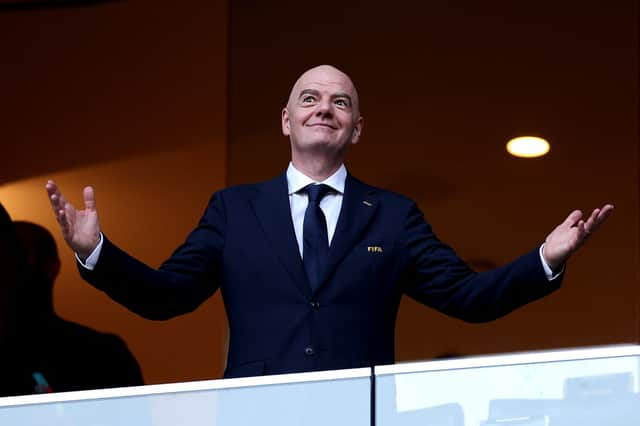

A meeting of FIFA leaders in Morocco on Wednesday confirmed that Infantino would stay on as president for the time being, and he appears to retain the backing of many key players within the organisation despite the outcry against his plans – but he now faces a potentially fraught campaign to be re-elected for a fourth and final four-year term at the next FIFA congress in March 2027.
UEFA and CONCACAF have both opposed Infantino’s presidency in the wake of the proposal to involve private equity in the running of major tournaments, with the former organisation threatening to boycott future World Cups. Several countries in Europe have already formally withdrawn their support for his re-election. But is the 56-year-old’s presidency unravelling, or does he still have the votes to win another term?
Gianni Infantino is in trouble – but he isn’t through yet
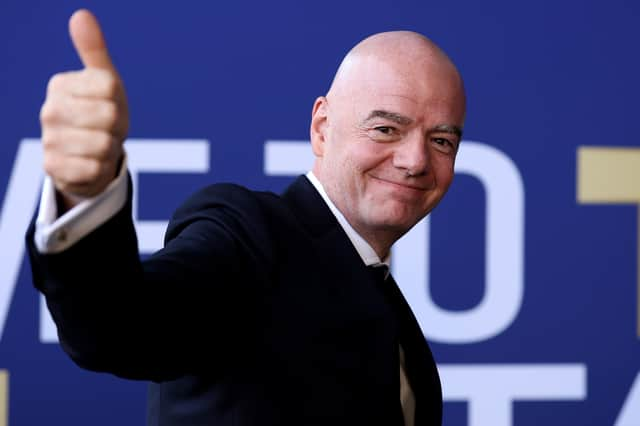
Before he unveiled his widely-criticised plans for the financial future of the World Cup, Infantino was set to win a fourth term as president unopposed. He had the backing of the majority of member nations and no rival candidate had come forward to fight a steep uphill battle against him. The picture has now changed.
The furore that resulted from Infantino’s unilateral effort to reshape the ownership of football has come at a considerable political cost. UEFA, CONCACAF and the AFC all quickly made their opposition to the plans clear and Infantino, rapidly realising that he would not get the votes required, backed down and apologised for his “errors.” That has not mollified many of his opponents, however.
UEFA, who have never been on friendly terms with Infantino, are continuing to threaten a boycott of future World Cups if he remains as president. Should they follow through, their absence from future tournaments would be a public relations disaster for FIFA and a brutal economic blow, all while throwing the hosting of the tournament into question giving that the 2030 edition is expected to be co-hosted by Spain and Portugal.
CONCACAF, too, are up in arms, and Infantino’s behind-the-scenes efforts to recoup political power have drawn immediate criticism. The Jordanian FA have accused Infantino of “blackmail” and alleged that he has threatened to withdraw funding if they don’t back him in the upcoming election, while some press reports claimed that Infantino has offered Morocco, another 2030 co-host, the right to host the next World Cup final in exchange for their support – an allegation which FIFA deny.
At the time of writing, 13 European countries had joined Jordan in withdrawing their support for Infantino, with several more expected to follow. A rival candidate for the presidency is also now likely to emerge, with backroom discussions between various stakeholders taking place already.
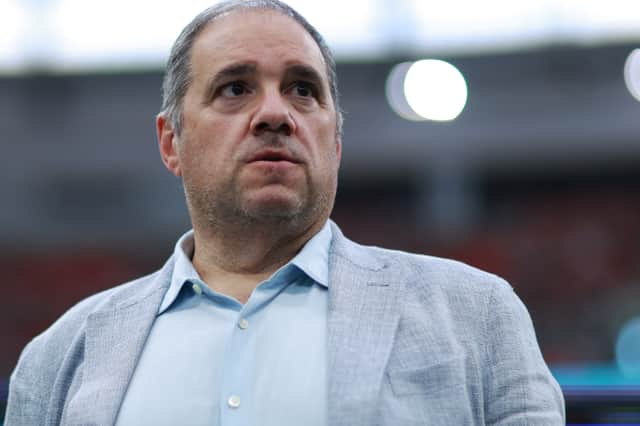
Victor Montagliani, the Canadian president of CONCACAF, has emerged as the most likely candidate to stand against Infantino and is in the process of drumming up support for a bid. With Infantino’s power base heavily eroded and UEFA attempting to flex its fiscal muscles, the chances that the Swiss loses the election have climbed rapidly from zero – but he may still have enough support to cling on to power.
Does Infantino have enough support to stay in power?
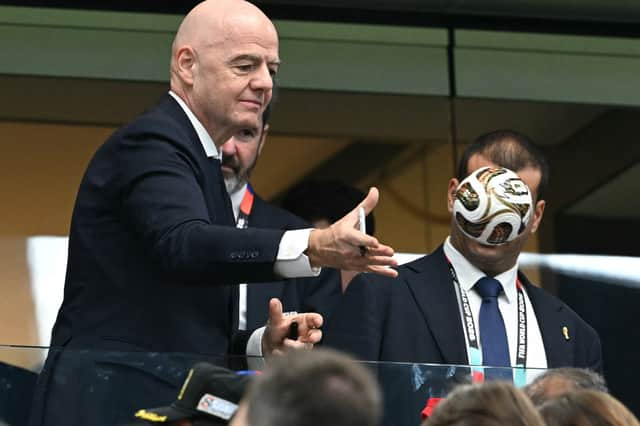
The media coverage of FIFA’s contentious fortnight in Europe often makes it appear as though Infantino is doomed, his support base destroyed by his grasping attempt to sell influence in the future direction of football’s grandest tournaments – but in reality, he still has a great many friends.
Africa provides him with a particularly strong base of support. Infantino’s path to power within the game was paved by his redistribution of FIFA’s wealth in the direction of smaller associations, especially in Africa. He has greatly enriched CAF and many of their members since he took over in 2016.
That can be read cynically, as a direct purchase of power and votes, or in a more positive light as a long-overdue levelling of football’s global economic playing field. Either way, the result is the same – Infantino has many friends within Africa, and all 54 of its members are likely to back him next March.
The FIFA presidency is decided by a simple majority of its 211 members, meaning that Infantino needs 106 votes to win another term. With most or all of UEFA’s 55 members expected to vote against him, Africa and Europe will likely cancel each other out. The question, then, is how other countries will vote.
CONMEBOL and the OFC, who oversee football in South America and Oceania respectively, are also likely to back Infantino. Neither organisation publicly opposed his plans to sell a stake in the World Cup and Argentina recently became the most high-profile country whose FA have openly backed his re-election. Between them, they are likely to supply Infantino with another 21 votes.
If CONCACAF voted together against Infantino, then that would be bad news for him, but that appears unlikely to be the case – despite the protestations of their federation and the likelihood that its president is a candidate for the next election, Mexico have already reiterated their support for the incumbent. The 35 member nations in North and Central American and the Caribbean could split unpredictably.
Which would put the ball in the court of the AFC. Like CONCACAF, the federation was scathing of Infantino’s plans but many of their member nations are long-term supporters of the president and have benefited from his redistribution of FIFA’s monetary power while several nations in the Middle East have been among the nations who have gained the most from Infantino’s tenure, including the hosting rights to two World Cups.
Jordan have withdrawn their support but at the time of writing eight member nations, including Qatar and the UAE, have chosen to continue backing Infantino’s presidency. There are many more countries whose intentions are unclear, but at the moment, Infantino looks likely to have the numbers to earn re-election by the skin of his teeth.
The electoral calculus, seven months out from the FIFA congress, suggests that Infantino will cling on. Should he do so and earn a final four-year term as president, the big question would be what came next.
Would UEFA follow through with their threat to boycott the 2030 World Cup, completely upending international football’s status quo and throwing the future of its biggest tournament into chaos? Would they have the political will in the face of likely protestations from fans and members who rely on major tournament income? Or would they ultimately decide to give up on defying Infantino and settle for tacit disapproval?
Much is unclear, but the current voting trends suggest that many member nations are more concerned about keeping Infantino in power than they are about UEFA’s threats. Infantino’s presidency may be hanging by a thread – but it’s a far thicker thread than might initially seem to be the case.